
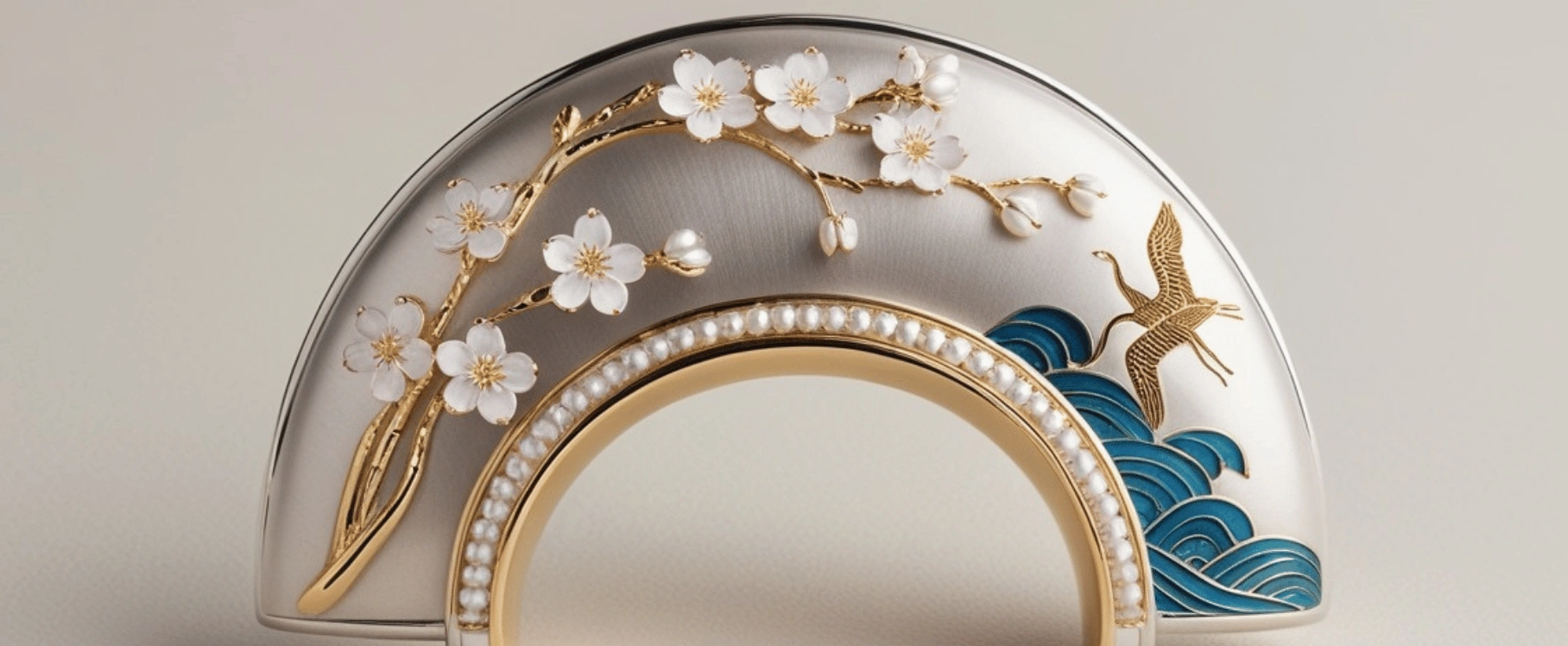
Obidome
The Timeless Elegance of Japanese Kimono Accessories
Obidome, a unique and delicate piece of jewelry originating from Japan, is an exquisite accessory used to enhance the traditional kimono. The word "obidome" comes from Japanese: “obi” refers to the wide belt or sash that is wrapped around a kimono, and “dome” means “stopper” or “fastener.” An obidome is therefore a "belt fastener," though it's actually more ornamental than functional. Over time, it has evolved from a modest clasp to a refined jewelry piece that adds elegance and personality to the wearer’s attire.
The Origins and Cultural Significance of Obidome
Obidome first gained popularity during Japan’s Edo period (1603–1868), a time marked by the flourishing of the arts and a surge in the variety and elegance of kimono styles. During this period, Japanese fashion saw the rise of more intricate and beautiful accessories, including obidome, as people sought to personalize their garments with unique touches. Obidome are attached to the “obi-jime,” the braided cord that is tied around the obi (belt). Though it’s relatively small, an obidome's presence on the obi makes a big impact, catching the eye and adding character to the outfit.
Who Wears Obidome?
Obidome are traditionally worn by women as part of a kimono ensemble, adding a touch of elegance to formal and semi-formal wear. Kimonos, though used less frequently in everyday Japanese life today, are commonly worn during special occasions, ceremonies, and festivals, with obidome becoming a staple for anyone who wishes to elevate their outfit. They’re also popular among geishas, brides, and other formal cultural roles where the kimono is still central to attire. Obidome are often passed down through generations as family heirlooms and are highly valued for their artistry and history.
As Japanese fashion evolves and adapts, younger generations and fashion enthusiasts around the world are experimenting with kimonos and accessories like obidome. Even those who don’t wear kimonos regularly may use obidome as a versatile accessory, pinning it onto modern clothing, bags, or even wearing it as a brooch.
Together, these elements make the Claddagh ring a powerful symbol of connection. It serves as a reminder of the values that underpin healthy and lasting relationships, which is why it’s often gifted between loved ones.
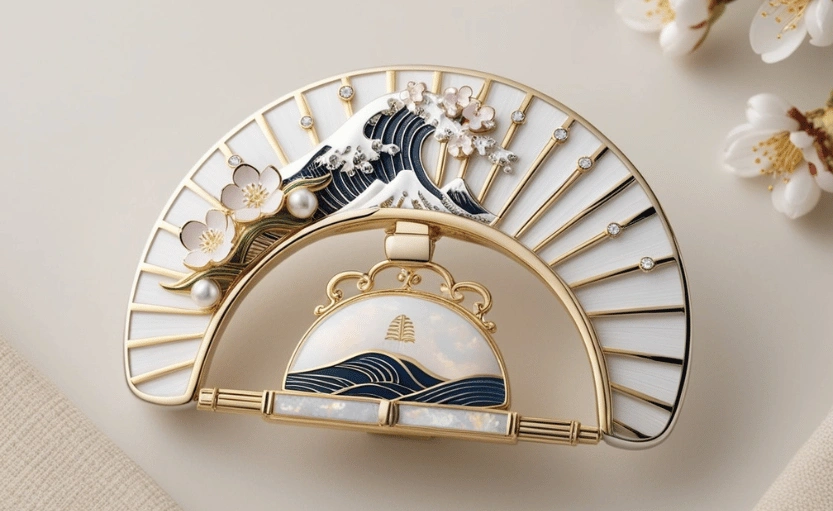
Uses of Obidome: Practicality Meets Elegance
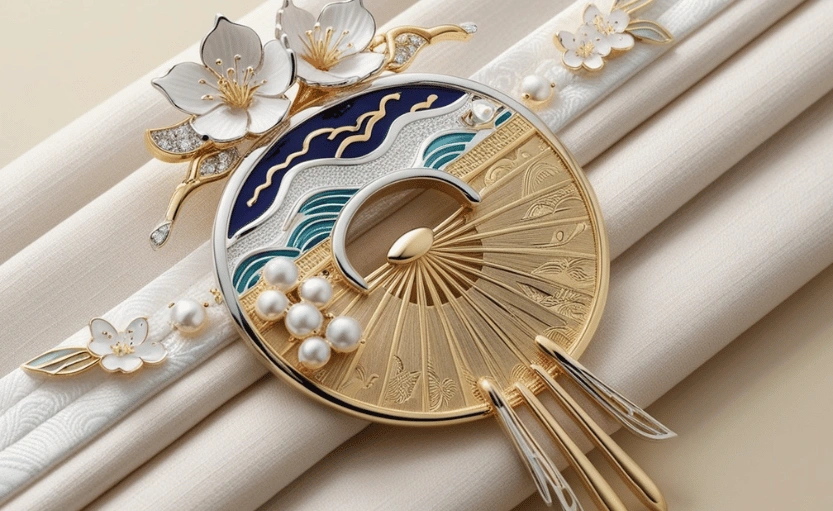
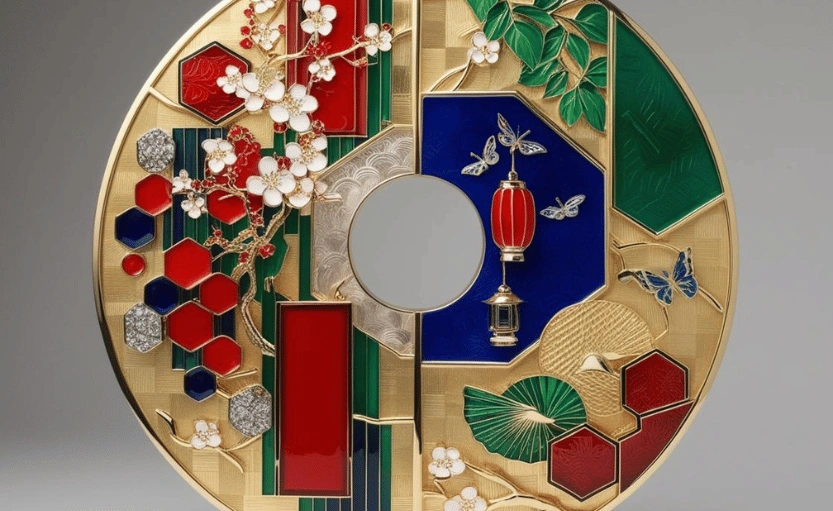
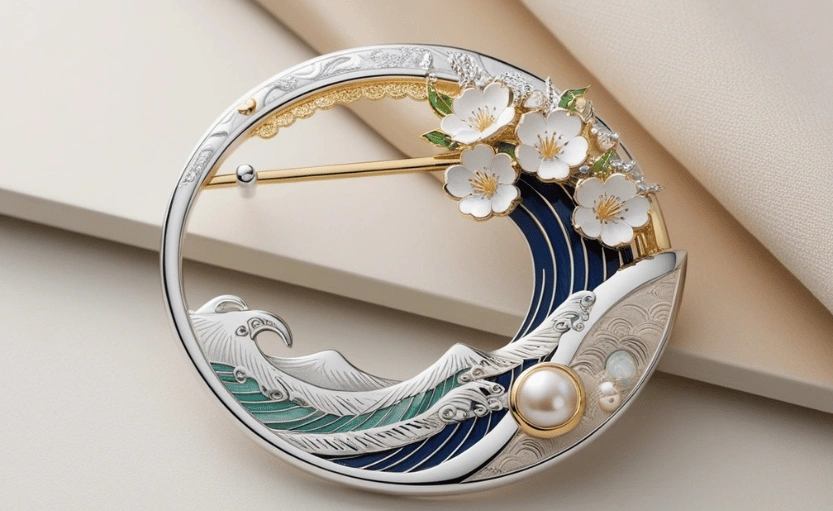
While obidome are primarily ornamental, they play a subtle yet essential role in a kimono ensemble. The obi belt is essential in keeping the kimono properly wrapped and in place, and the obi-jime secures the obi, making the obidome a stylish addition. Depending on the formality of the occasion, obidome designs can range from understated, classic motifs to intricate, colorful designs inspired by nature, such as flowers, butterflies, and seasonal themes.
Types of Obidome: An Array of Designs and Materials
There is a broad array of obidome designs that cater to every taste and occasion. Materials and craftsmanship are key to their beauty and often reflect the historical period or region they come from. Some popular types include:
- Natural Stone Obidome:
Featuring stones like jade, coral, and amber, these obidome exude a natural elegance that complements the traditional look of a kimono.
- Enamel and Cloisonné Obidome:
These pieces are vibrantly colored and often display intricate designs, offering a more elaborate touch.
- Lacquered Obidome:
Typically made from wood or ceramic, they are coated in lacquer and sometimes decorated with gold or silver leaf for a rich, luxurious finish.
- Obidome:
These modern interpretations are colorful and whimsical, making them suitable for casual kimono styles.
Price Range of Obidome
The price of an obidome varies widely depending on its materials, age, and craftsmanship. Modern obidome are more accessible, with prices typically starting around $50 to $100 for simpler designs made of glass or resin. For mid-range obidome crafted from natural stones, cloisonné, or other durable materials, prices can range from $200 to $500. High-end obidome, often adorned with gold, pearls, jade, or coral, and meticulously handcrafted by master artisans, can cost anywhere from $1,000 to $5,000 or more.
The Costliest Obidome: Masterpiece Collectibles
Some of the most exceptional obidome can reach prices as high as $100,000 or even more. These extraordinary pieces are often made with rare gemstones like high-grade jade, diamonds, or natural pearls, and crafted by master artisans whose work is considered fine art. The highest-end obidome are typically antique or historically significant, sometimes crafted by celebrated Japanese jewelers, making them highly collectible treasures. These obidome are often sold at exclusive auctions or by specialty jewelers and can end up in museum collections or private estates, where they are treasured as cultural artifacts and investments. Their value lies not only in the materials but also in the exceptional craftsmanship and cultural history they represent.
Designers are constantly experimenting with new materials and styles, allowing obidome to be both a nod to tradition and an expression of individuality. It has become not only a reflection of Japanese heritage but also a piece of wearable art that resonates with modern tastes. Whether you’re a lover of Japanese culture or simply a jewelry enthusiast, adding an obidome to your collection is a beautiful way to carry a piece of history that’s still very much alive in today’s fashion world.